Animatronic animals have emerged as a captivating innovation within the tourism industry, enhancing visitor experiences in a variety of attractions, from theme parks to zoos and museums. These sophisticated robotic creations not only engage the audience but also offer educational insights into wildlife, conservation, and natural habitats. As an intersection of art, engineering, and storytelling, animatronic animals serve to simulate real-life animal behaviors, providing a unique glimpse into the animal kingdom that engages both children and adults alike.
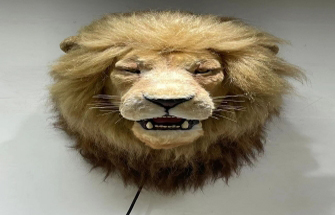
The technology behind animatronics has evolved significantly over the years. State-of-the-art robotics, combined with advanced programming and animatronic design, enables the creation of lifelike movements and sounds. These features not only amuse but also thoughtfully resemble the actual behaviors of animals in their natural environments. Whether it’s the roar of a lion, the fluttering of butterfly wings, or the rhythmic movement of a dolphin swimming, each detail is meticulously crafted to ensure that the experience is both entertaining and informative.
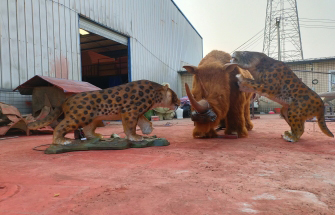
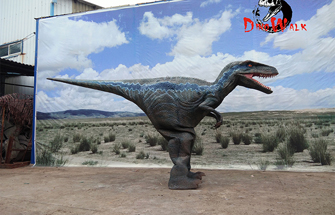
Tourist attractions utilize animatronic animals to enhance storytelling and create immersive experiences. For example, theme parks integrate these lifelike figures into rides and attractions, inviting visitors to embark on adventures through prehistoric landscapes or magical forests filled with animated creatures. Zoos and aquariums utilize animatronics to emphasize conservation messages, making the plight of endangered species tangible and relatable through interactive displays and exhibits. These attractions not only entertain but also foster a sense of responsibility toward wildlife and the environment.
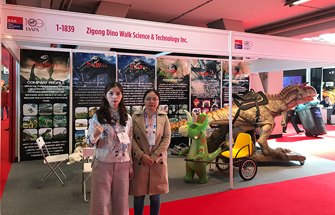
Expertise in animatronic technology is crucial for the successful design and implementation of these attractions. Leading companies in this field employ engineers, artists, and narrators who work collaboratively to ensure that each animatronic animal not only captures the appearance and sound of real animals but also conveys educational content. This multidisciplinary approach reinforces the authority and authenticity of the attractions, ensuring that visitors are both entertained and enlightened.
Moreover, a growing emphasis on sustainability within the tourism sector has seen many attractions committed to ecological responsibility. By incorporating animatronic animals into educational programs, they inspire visitors to take action in their personal and community lives, promoting conservation and environmental stewardship.
In summary, animatronic animals serve as a dynamic tool in the tourism industry, offering expertise in robotics and artistry to create engaging, educational experiences that celebrate and inform about the natural world. Their ability to blend technology and storytelling makes them an indispensable asset for modern tourist attractions.

 Shopping Centers Animatronic Insects