The “Jurassic Park Spinosaurus Animatronic” stands as a remarkable feat of engineering and artistry, exemplifying the intersection of film, technology, and paleontological fascination. Introduced in the 2001 film "Jurassic Park III," the Spinosaurus animatronic was developed by the renowned special effects company Stan Winston Studio, known for its groundbreaking work in animatronics and creature effects. With a mission to create a lifelike depiction of one of the largest carnivorous dinosaurs to ever roam the Earth, the Spinosaurus animatronic showcases not only the technological advancements of its time but also the dedication of experts who combined their understanding of paleontology with state-of-the-art robotic mechanics.
At a striking 40 feet in length, the Spinosaurus animatronic was designed to represent the dinosaur's massive scale while exhibiting realistic movements and behaviors. Its creation involved extensive research, allowing the designers to mirror not only the skeletal structure but also skin texture, coloration, and movement patterns derived from existing paleontological evidence. This approach ensured that the animatronic not only served as a thrilling cinematic experience but also as an informative representation of the creature we are still learning about today.
The animatronic performed alongside computer-generated imagery (CGI), bridging the gap between traditional film techniques and modern digital effects. Throughout its portrayal, the animatronic captured the nuance and ferocity of the Spinosaurus, from its roaring sound effects to the way it moved through its environment. Those involved in its production brought together diverse expertise, ranging from paleontologists to engineers, emphasizing the importance of interdisciplinary collaboration in creating engaging and educational entertainment.
The Spinosaurus animatronic remains a significant part of "Jurassic Park" lore and is often highlighted in discussions about the evolution of cinematic technology and the representation of prehistoric life in popular culture. It not only fascinated audiences but also engaged their imaginations, encouraging a broader interest in dinosaurs and paleontology. As we continue to develop our understanding of these magnificent creatures, the legacy of the Spinosaurus animatronic serves as a reminder of the power of art and science working together to inspire future generations. Through its lifelike portrayal, it reminds us of the wonder associated with dinosaurs and the thrilling possibilities that lie at the intersection of filmmaking and science.

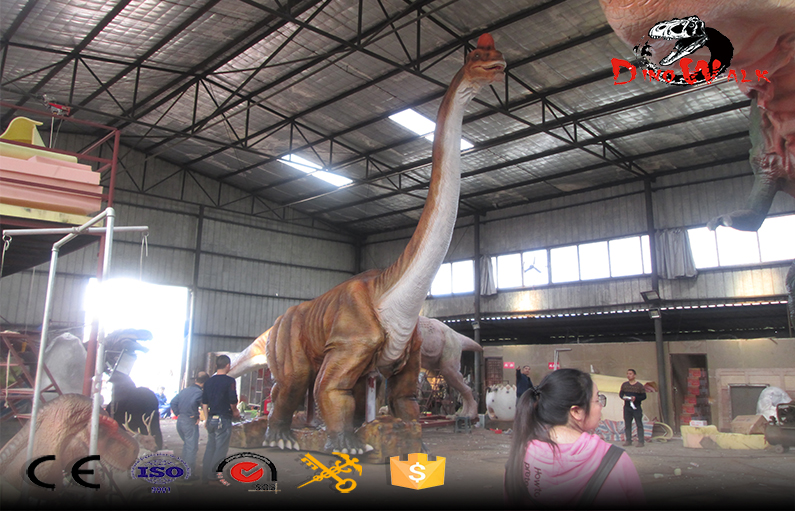
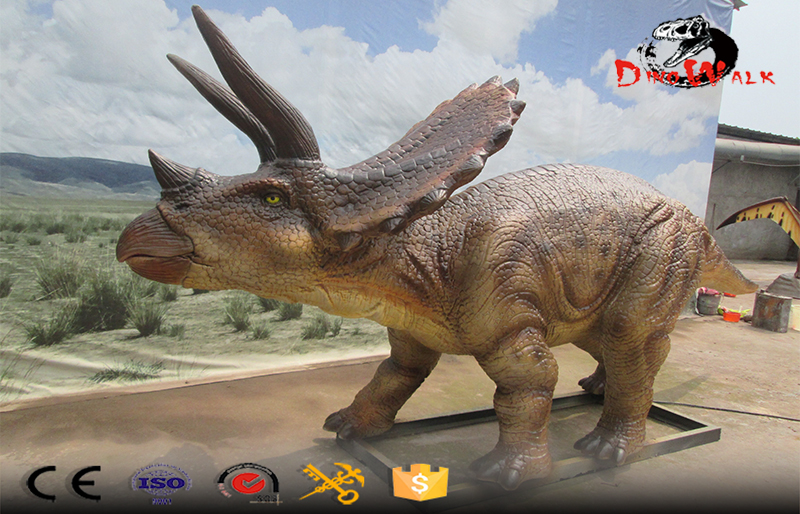
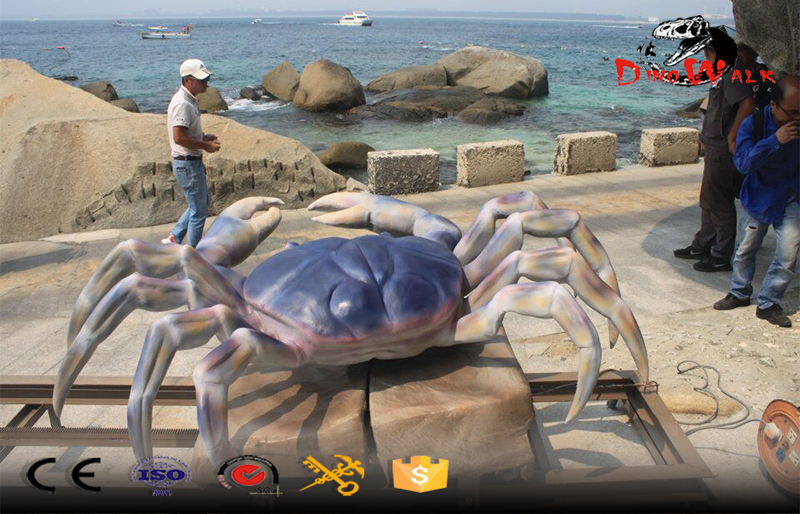
 Animatronic Animals For Zoo