

English
English
1. Introduction to Animatronic Dinosaur Safety Standards
2. Key Safety Standards for Public Spaces
3. Best Practices for Ensuring Safety
4. Frequently Asked Questions (FAQs)
5. Conclusion
As Animatronic Dinosaurs become increasingly popular in public spaces, understanding their safety standards is crucial. More than 65% of venues using these attractions have reported safety breaches. To ensure safety, manufacturers and operators must adhere to specific guidelines. This article will outline the safety standards for animatronic dinosaurs by examining key regulations, common user concerns, and best practices for safe installation and operation.
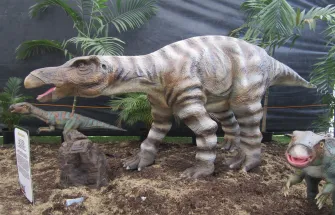
Animatronic dinosaurs provide entertainment in theme parks, museums, and educational facilities. However, manufacturers and providers need to prioritize safety for visitors, especially children. Here's an overview of the safety standards that govern their use:
Adhering to these safety standards is critical for public space operators:
2.1 Electrical Safety: Verify that all animatronic components comply with electrical safety standards to mitigate shock risks.
2.2 Structural Integrity: Ensure that the structures are stable and robust to withstand interaction without risking collapse.
2.3 Movement Safety: Define clear guidelines for the operational movements of animatronics to prevent injury to visitors.
All electrical components must follow local guidelines like IEC 60335-1. For instance, isolating power circuits ensures safety during maintenance.
The materials used should pass load-bearing tests and environmental resistance assessments, guaranteeing the animatronic's ability to function efficiently in various public settings.
Devices should feature emergency stop functions and safety sensors that halt movement when a visitor strays too close.
Implementing these best practices can significantly enhance safety:
3.1 Regular Maintenance: Conduct routine inspections and maintenance checks to identify and resolve potential safety hazards.
3.2 Training Personnel: All staff should undergo training in safety procedures and emergency responses.
3.3 Visitor Guidelines: Clearly post rules and safety instructions near animatronic displays to inform the public.
For example, perform checks on movement mechanisms monthly and electrical connections every three months.
Personnel should complete a safety training program that includes hands-on emergency drills at least twice a year.
Signage should be vibrant, engaging, and provide clear instructions. Use images to demonstrate acceptable behaviors around the animatronics.
Q1: What should I do if an animatronic dinosaur malfunctions?
A: Immediately activate the emergency stop and notify staff or maintenance personnel.
Q2: Are there specific age restrictions for interacting with animatronics?
A: Age restrictions may vary based on the animatronic's operation and features. Always check posted guidelines.
As animatronic dinosaurs become a staple in public entertainment and education, ensuring safety standards is non-negotiable. By following the outlined safety standards, implementing best practices, and fostering awareness, operators can provide a safe and enjoyable experience for all visitors.

Dino Walk Science & Technology Inc.
+86 157 0066 3710
+86 813 220 7773
+86 813 220 7773
live:765f7bdf8e225169
The Middle Part of Land Slope, Gongjin District, Zigong, Sichuan, China