


Steel Frame vs Aluminum Frame for Animatronic Structures: Which is Better for Your Needs?
Table of Contents
1. Introduction
2. Key Differences
3. Pros and Cons
4. Case Studies
5. Conclusion
1. Introduction
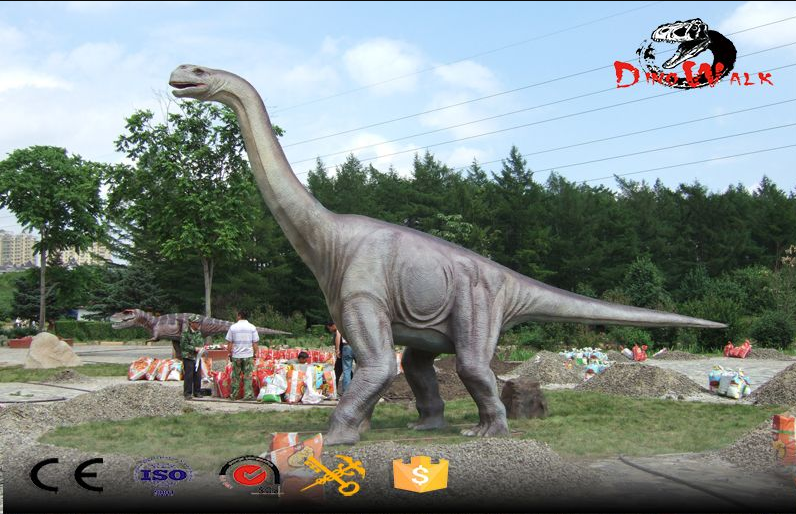
When it comes to building Animatronic Structures, one of the major decisions you need to make is choosing between a steel frame and an aluminum frame. Each material comes with its own advantages and disadvantages, and understanding these can help you make an informed choice. Animatronic Dinosaurs and other large structures require a strong foundation, and the material significantly impacts durability, weight, and overall structure performance. In this article, we will explore the key aspects of steel frame vs aluminum frame for animatronic structures, providing insights that can guide your procurement process.
2. Key Differences
1️⃣ Weight: Steel frames are generally heavier than aluminum frames.
2️⃣ Strength: Steel offers greater tensile strength compared to aluminum.
3️⃣ Corrosion Resistance: Aluminum is more resistant to corrosion than steel.
Weight Comparison
Weight plays a crucial role in how easily you can transport and install your animatronic structures. Steel frames may require additional support systems due to their heavier nature, while aluminum frames can facilitate easier handling and installation.
Strength Comparison
In terms of structural integrity and load-bearing capacity, steel inherently provides superior strength. This characteristic may be pivotal in large structures like animatronic dinosaurs that demand extreme stability and safety. Many fabricators often choose steel for large installations where weight isn't a concern.
Corrosion Resistance Comparison
Aluminum frames often come coated with alloys that enhance their resistance to rust and other forms of degradation. This makes aluminum a preferred option for outdoor installations or environments with high humidity.
3. Pros and Cons
| Material | Pros | Cons |
|---|---|---|
| Steel |
|
|
| Aluminum |
|
|
4. Case Studies
In a recent project involving a life-sized animatronic dinosaur, a steel frame structure was used, allowing for comprehensive detailing and immense strength. The project was well-received, showcasing the capability of steel in supporting complex animations. Another instance is a lightweight aluminum frame that was ideal for a smaller, portable animatronic display. The flexibility of aluminum enabled rapid setup and takedown, thus receiving accolades for practicality.
5. Conclusion
Choosing between a steel frame and an aluminum frame for your animatronic structures largely depends on the specific requirements of your project. If you prioritize strength and durability, steel frames may be the better choice. However, if you need something lightweight and corrosion-resistant, especially for outdoor settings, aluminum frames could be more beneficial. Ultimately, carefully assess your project needs, environmental factors, and budget constraints to make the best decision.