Theme parks have long been a cornerstone of family entertainment, and among their most captivating attractions are animatronic animals. These intricately designed robotic creatures mimic the movements and behaviors of real animals, providing visitors with an immersive experience that blurs the line between reality and fantasy. The art of creating animatronic animals has evolved significantly since its inception, showcasing a blend of cutting-edge technology and artistic craftsmanship that captivates audiences of all ages.
At the heart of animatronics is a combination of engineering, programming, and artistry. Skilled engineers and designers work collaboratively to create life-like movements and sounds that enchant visitors. This expertise is critical, as animatronic animals often serve not only as entertainment but also as educational tools that promote environmental awareness and conservation. Through storytelling and interactive experiences, theme parks utilize these animatronic figures to engage guests with vital ecological messages.
The experience of encountering animatronic animals enhances the overall theme park visit by creating an environment that feels alive. For instance, Disney's classic attractions feature meticulously designed animatronics that transport guests into different worlds, from jungles teeming with exotic species to undersea adventures with oceanic creatures. These attractions are carefully choreographed, with each movement and sound tailored to invoke emotions and stimulate imagination.
Moreover, animatronic animals play a crucial role in expanding the storytelling potential of theme parks. They can bring to life legendary tales, mythical creatures, or even historical figures, enriching visitors’ experiences by providing context and depth. Through innovative technology, such as artificial intelligence and enhanced robotics, animatronic figures are becoming increasingly sophisticated, enabling them to respond to guest interactions and adapt in real time.
Experts in the field of animatronics are continually seeking ways to improve and innovate. This leads to advancements not only in the mechanics of movement but also in the materials used to create more realistic appearances and textures. As theme parks invest in research and development, the boundary of what animatronic animals can achieve continues to expand.
Ultimately, animatronic animals represent the intersection of technology, artistry, and storytelling, embodying the core essence of what makes theme parks magical. Their ability to engage, educate, and entertain showcases the importance of these creations in forging memorable experiences for visitors while fostering an appreciation for nature and creativity.

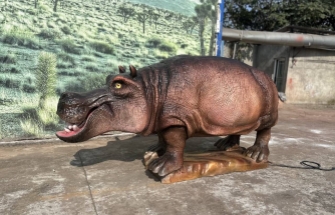
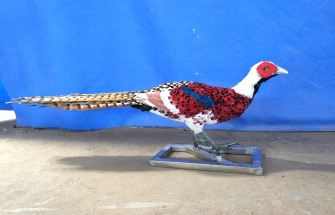
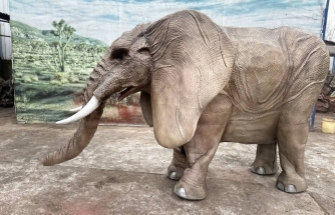
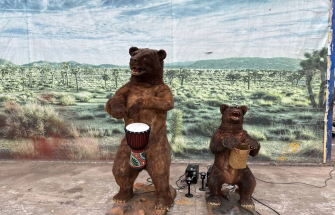
 Zoo Animatronic Animals