## How Amusement Parks Animatronic Dinosaurs Work
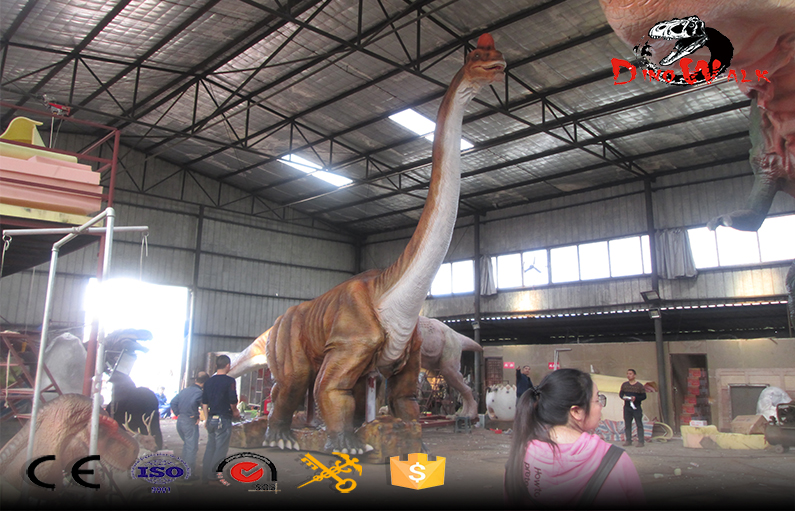
Amusement parks are renowned for their ability to immerse guests in fantastical experiences, and animatronic dinosaurs are among the most striking attractions. These life-like creations are a blend of artistry, engineering, and advanced technology, designed to amaze visitors while offering educational insights into the prehistoric world.
At the core of animatronic dinosaurs is a sophisticated system of mechanics and electronics. Each dinosaur is constructed from a robust framework, typically built out of lightweight materials such as aluminum and plastic. This framework supports a series of servos and actuators, which are the primary components responsible for movement. Servos are motorized devices that allow for precise control over joint movements, mimicking the natural motions of a dinosaur.
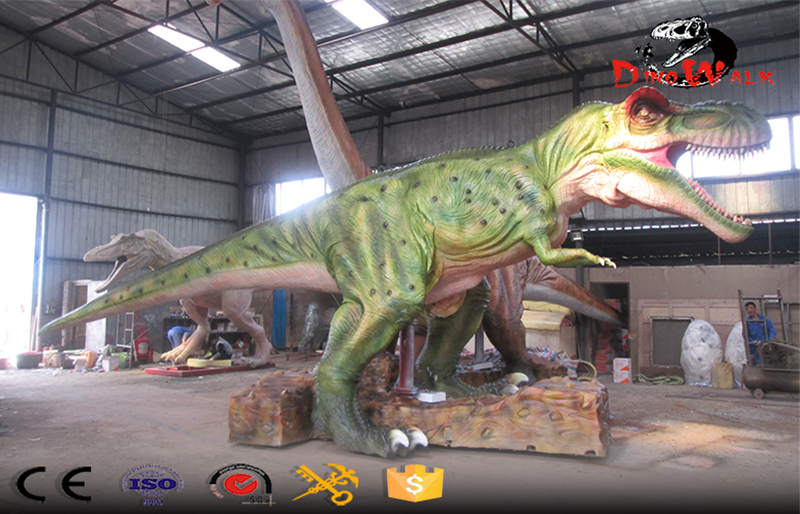
The control system is crucial for animatronics, employing advanced computer algorithms and software to create synchronized movements. Programmers develop an array of animations that dictate how the dinosaur will move, roar, or interact with guests. Using sensors and motion detection technology, these attractions can respond to audience engagement, making them more dynamic and appealing. For instance, a T-Rex might unleash a fierce roar and flex its jaws when someone approaches, creating a thrilling interaction that captivates visitors.
Beyond movement, sound design plays a pivotal role in the attraction's realism. High-quality audio systems deliver lifelike roars, environmental sounds, and even background music, which adds another layer of immersion. Sound effects are generally synchronized with the animatronic's movements, enhancing the overall experience for spectators.
When it comes to production, modern manufacturing techniques significantly improve efficiencies. Technologies like 3D printing allow for rapid prototyping and iteration of intricate designs, from skin textures to internal components, while CAD (Computer-Aided Design) software ensures precision in every aspect of construction. This technological integration results in reduced production times and lower costs, making the development of animatronic dinosaurs more accessible and feasible for amusement parks worldwide.
Practical applications abound within this industry. For instance, a dinosaur exhibit at a family amusement park might utilize these animatronics in conjunction with augmented reality experiences, providing an educational journey through the Mesozoic Era while thrilling families and children alike.
In conclusion, animatronic dinosaurs in amusement parks showcase a fascinating blend of creativity and technology that transforms sightseeing into a dynamic adventure. Their design, powered by advanced robotics and sound technology, continues to evolve, inviting new possibilities in attraction experiences. If you’re interested in learning more or seeking out suppliers for such state-of-the-art attractions, please contact us for further information.

 Animatronic Animals For Zoo