## How Exhibitions Animatronic Animals Work
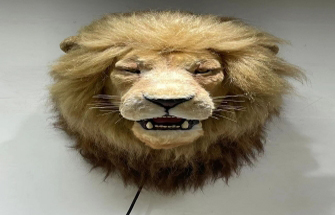
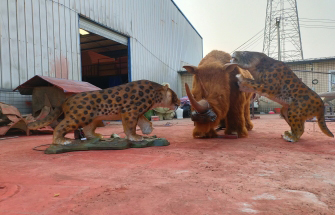
Exhibitions Animatronic Animals are a remarkable fusion of art, technology, and engineering aimed at bringing lifelike creatures to exhibitions, theme parks, and educational institutions. At the core of these captivating exhibits lies a sophisticated array of components and mechanisms that work together to create motion, sound, and interactivity.
The primary key component of animatronic animals is their structural framework. This often consists of a robust yet lightweight skeleton made from materials like aluminum or high-strength polymers, providing the necessary support while ensuring flexibility in movement. Around this skeleton is a durable skin typically made from silicone or latex, which mimics the textures and colors of real animals.
Central to the operation of these animatronic creatures is the use of servo motors and pneumatic systems. Servo motors are electric devices that precisely control movement with incredible accuracy and speed. For example, the limbs of an animal can be articulated to mimic natural motions—whether it’s the gentle turn of a head or the graceful movement of paws. Pneumatic systems, on the other hand, utilize compressed air to produce fluid, realistic movements, often employed for larger sections such as the chest to simulate breathing.
Advanced technology plays a critical role in the programming and control of these animatronic animals. Computer software allows for pre-programmed sequences that can replicate various behaviors, such as feeding, playing, or simply moving in response to audience interaction. Sensors detect nearby individuals, and the animatronic can react by changing its posture or vocalizing, thus creating a dynamic engagement with viewers.
Moreover, the integration of artificial intelligence enhances the responsiveness and complexity of these exhibits. For instance, through learning algorithms, animatronic animals can adapt their behaviors based on audience interactions, making each experience unique.
The benefits of these advanced technologies extend to the production process as well. Automating the manufacturing stages, from 3D printing of intricate parts to robotic assembly lines, not only improves the efficiency of production but also ensures high precision and significantly reduces waste, leading to a more sustainable manufacturing model.
In application, these animatronic animals can be found in various settings, such as wildlife museums, where they educate visitors about endangered species through realistic simulations. Additionally, theme parks utilize them to create immersive experiences that engage audiences of all ages.
For further information or if you’re interested in becoming one of our esteemed suppliers, please do not hesitate to contact us. Our team is always ready to assist you in exploring the exciting world of Exhibitions Animatronic Animals.

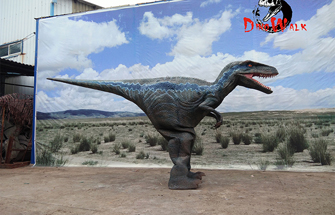
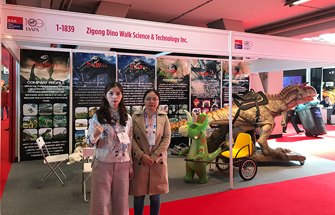
 Event Planning Company Dinosaur Costumes