## How Theme Parks Animatronic Insects Work
Theme Parks Animatronic Insects represent a fascinating intersection of art, engineering, and technology. These lifelike figures not only enhance the immersive experiences in theme parks but also demonstrate the complexities of modern animatronics. So how do these animated creatures come to life?
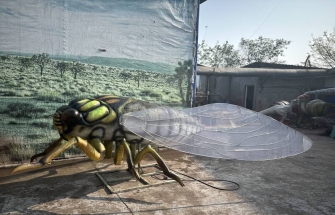
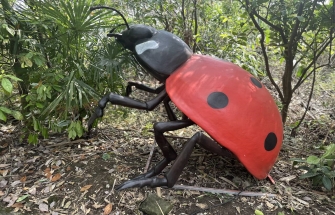
The key components of animatronic insects include a frame structure, motors, sensors, control systems, and artistic elements. The frame, usually constructed from lightweight materials like aluminum or fiberglass, provides the necessary support for the intricately designed outer shell, shaping the insect’s anatomy. This shell is often crafted using realistic materials that mimic the natural texture and coloration of real insects, allowing for a visually engaging experience.
At the core of animatronic insects are advanced motor systems. These motors, often servo or pneumatic, mimic the movement of real insects through precise control. Each motor is programmed to create specific actions—such as fluttering wings or moving antennae—allowing for an impressive range of motion and realistic expressions. For example, a dragonfly animatronic may feature multiple servo motors to coordinate the rapid and elegant movements of its wings, providing a thrilling visual display.
The integration of sensors is another critical aspect of these animatronic systems. Sensors can detect visitor proximity, triggering movements or sound effects that enhance the interactive experience. For instance, as visitors approach a butterfly exhibit, gentle fluttering and soft chirping might begin, creating an engaging attraction that responds to visitors in real-time.
Control systems are the brains behind these animatronics. Using advanced programming techniques, animatronic designers can establish complex behaviors akin to those of real insects. This might involve simple pre-set animations or responsive behaviors based on real-time data. The application of technology such as programmable logic controllers (PLCs) or microcontrollers allows for the seamless integration of various inputs and outputs, ensuring smooth operation.
The efficient production processes rely heavily on advanced manufacturing technologies such as 3D printing and CNC machining. For instance, 3D printing allows for rapid prototyping of component designs, leading to faster production and iteration cycles. This capability enables animatronic manufacturers to quickly adapt to changing design needs or visitor feedback.
In conclusion, Theme Parks Animatronic Insects embody a blend of art and cutting-edge technology, creating engaging experiences for visitors. As suppliers of these sophisticated systems, we understand the profound impact technology has on modern manufacturing. For more insights or inquiries, please contact us.
 Trade Shows Dinosaur Costumes