Fiberglass Animals add character, education, and photo opportunities to outdoor parks, but they need a planned maintenance routine to remain safe and attractive. Park owners, attraction managers, schools, zoos, and public space buyers usually want a practical system that controls maintenance costs, prevents fading, handles weather damage, and keeps the statues open to visitors. This guide explains how to inspect, clean, repair, protect, and schedule maintenance for outdoor fiberglass animal statues from Dino walk.
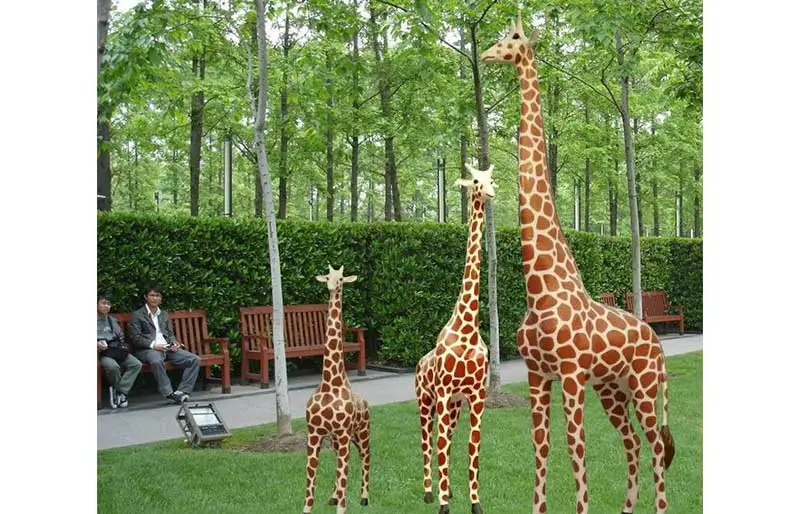
Start with a complete condition inspection
Check the statue before cleaning or repairing it
Inspection should always come before washing, repainting, or applying a protective coating. A visual check helps the maintenance team identify small problems before water enters the fiberglass structure or visitors come into contact with a damaged surface.
- Walk around the entire statue and inspect the front, back, sides, top, underside, and base.
- Look for cracks, scratches, peeling paint, faded color, bubbling, loose parts, and exposed fiberglass fibers.
- Check the connection between the animal body and the base. Look for movement, rust stains, loose bolts, or gaps.
- Inspect high-contact areas such as the head, nose, ears, horns, tail, paws, and back.
- Check areas that collect rainwater, leaves, mud, bird waste, or snow.
- Take clear photographs from several angles and record the date, location, and condition.
- Mark each problem as urgent, scheduled, or cosmetic.
Identify damage that requires immediate action
Some damage should not wait for the next routine maintenance visit. A statue may look attractive from a distance while having a serious structural or visitor safety problem.
- Large cracks that continue through the fiberglass shell.
- Loose statues, unstable bases, or movement when lightly pushed.
- Sharp exposed fiberglass fibers or broken edges.
- Loose horns, ears, tails, claws, signs, or decorative accessories.
- Water trapped inside the statue.
- Severe corrosion around metal anchors or bolts.
- Paint failure that exposes a large area of the fiberglass surface.
Record maintenance information for purchasing and operations teams
Park buyers need predictable operating costs and clear service records. Create one maintenance file for every statue and include the following information:
- Statue name and animal type.
- Installation date and location.
- Manufacturer or supplier information.
- Original paint and coating specifications.
- Previous repair dates and materials used.
- Cleaning and repainting history.
- Inspection photographs.
- Estimated replacement parts and labor costs.
Prepare the correct tools and cleaning materials
Use a basic fiberglass statue maintenance kit
The right tools reduce accidental scratches and make routine work faster. Most outdoor fiberglass animal statues can be maintained with ordinary cleaning and painting equipment, provided that the materials are non-abrasive and suitable for exterior use.
- Soft microfiber cloths.
- Soft nylon brushes.
- Non-abrasive sponges.
- Garden hose with an adjustable low-pressure nozzle.
- Clean buckets.
- Warm water.
- pH-neutral soap or mild vehicle wash soap.
- Plastic scrapers for removing soft deposits.
- Rubber gloves.
- Safety glasses.
- Protective clothing and non-slip footwear.
- Soft towels for drying.
- Painter's tape and plastic sheeting.
- Exterior fiberglass or marine-grade repair resin.
- Fiberglass repair cloth or mat.
- Fine-grit sandpaper.
- Exterior primer compatible with fiberglass.
- UV-resistant exterior paint.
- Clear exterior topcoat or marine-grade protective coating.
- Caulking gun and compatible exterior sealant.
- Torque wrench or suitable hand tools for base hardware.
Choose cleaning chemicals carefully
Use a mild, pH-neutral cleaning solution whenever possible. Strong chemicals can soften clear coats, dull painted surfaces, stain light-colored areas, or cause early coating failure.
Suitable options include:
- Warm water and mild soap for routine dirt.
- A diluted neutral cleaner for bird waste and tree residue.
- A cleaner recommended by the paint or coating manufacturer.
- Clean water for final rinsing.
Avoid the following unless the coating manufacturer specifically approves them:
- Paint thinner.
- Acetone.
- Strong bleach solutions.
- Industrial degreasers.
- Steel wool.
- Rough scouring pads.
- Unapproved graffiti removers.
Clean the fiberglass surface step by step
First step: remove loose dirt and protect the work area
Remove loose dirt before applying soap. Dry mud and sand can act like abrasive particles and create fine scratches during washing.
- Place warning signs or temporary barriers around the work area.
- Remove nearby litter, leaves, branches, and stones.
- Cover electrical equipment, lighting fixtures, and sensitive landscaping if necessary.
- Use a soft brush or clean cloth to remove loose dust from the statue.
- Do not brush aggressively over peeling paint, cracks, or exposed fiberglass.
Second step: rinse with low water pressure
Rinse the statue from the top downward with a garden hose. Low pressure is safer than a pressure washer because excessive pressure can force water into cracks, lift paint edges, or damage seals.
- Start at the highest point of the animal statue.
- Move the water stream slowly toward the base.
- Keep the nozzle several feet away from fragile details.
- Do not spray directly into cracks, bolt holes, seams, vents, or electrical components.
- Stop if water begins collecting inside the statue.
Third step: wash the surface with mild soap
- Fill a clean bucket with warm water and add a small amount of pH-neutral soap.
- Test the solution on a hidden area before cleaning the visible surface.
- Dip a soft sponge or microfiber cloth into the solution.
- Wash one small section at a time using light, straight strokes.
- Clean high-contact areas and textured details carefully.
- Use a soft nylon brush for recessed areas, scales, fur patterns, and claws.
- Rinse the sponge frequently so that collected grit does not scratch the surface.
Fourth step: treat stubborn deposits carefully
Bird waste, tree sap, grease, and mineral deposits should be softened rather than scraped forcefully.
- Place a damp cloth over the deposit for several minutes.
- Apply a small amount of diluted neutral cleaner.
- Lift the softened material with a plastic scraper or soft cloth.
- Repeat the process instead of applying excessive pressure.
- Rinse the area thoroughly with clean water.
Fifth step: rinse and dry completely
- Rinse the statue from top to bottom with clean water.
- Check that no soap remains in grooves or around the base.
- Dry the surface with soft towels.
- Allow the statue to air dry fully before applying paint, sealant, or protective coating.
- Inspect the surface again after drying because cracks and peeling areas are easier to see when the statue is clean.
Repair cracks, chips, and loose details correctly
Separate cosmetic damage from structural damage
Small paint scratches and shallow surface chips may be repaired during routine maintenance. Structural cracks, detached parts, and unstable bases should be assessed by an experienced fiberglass repair professional.
- Cosmetic issue: light scratches, small paint chips, and minor color loss.
- Surface issue: localized blistering, peeling, or a shallow crack in the coating.
- Fiberglass issue: visible shell cracks, broken laminate, soft areas, or exposed fibers.
- Structural issue: movement, broken supports, detached limbs, or damaged anchors.
Repair a small fiberglass crack step by step
- Clean and dry the damaged area completely.
- Place a temporary barrier around the work zone.
- Mark the ends of the crack so that any future growth can be monitored.
- Lightly sand the surrounding surface to remove loose coating and create a bonding surface.
- Remove dust with a clean, dry cloth.
- Apply fiberglass repair resin and fiberglass cloth according to the product instructions.
- Allow the repair to cure for the full recommended time.
- Sand the repaired area until it is smooth and level with the surrounding surface.
- Apply a compatible exterior primer.
- Apply matching exterior paint in thin, even coats.
- Apply a compatible protective topcoat after the paint has cured.
Repair or replace loose decorative parts
Animal ears, horns, tails, tusks, wings, claws, and signs can loosen because of wind, vibration, visitor contact, or repeated temperature changes.
- Support the loose part before removing any fastener.
- Check whether the problem is a loose bolt, broken bracket, cracked fiberglass, or failed sealant.
- Replace corroded hardware with suitable exterior-grade hardware.
- Repair cracked fiberglass before reinstalling the part.
- Apply exterior sealant around suitable joints where water could enter.
- Tighten fasteners evenly without crushing the fiberglass shell.
- Confirm that the part does not move after installation.
Protect outdoor statues from sun, rain, and temperature changes
Control ultraviolet fading
Sunlight is one of the main causes of fading, chalking, and surface deterioration. Dark colors and horizontal surfaces often show ultraviolet damage first.
- Clean and dry the statue before applying any coating.
- Confirm that the coating is compatible with the existing paint.
- Test the product on a hidden area.
- Apply the UV-resistant coating in thin, even layers.
- Allow each layer to cure according to the manufacturer's instructions.
- Keep visitors away until the surface is fully cured.
Prevent water intrusion and freeze damage
Water entering a fiberglass animal statue can create hidden problems, especially in regions with freezing temperatures. Water expands as it freezes and may enlarge cracks or damage internal supports.
- Keep seams, access panels, and joints properly sealed.
- Do not block designed drainage openings.
- Remove standing water from the base area.
- Inspect the statue after heavy rain, snow, or freeze and thaw cycles.
- Repair damaged sealant before the wet season.
- Use breathable, compatible coatings rather than trapping moisture under an unsuitable product.
Protect the base and anchoring system
A strong surface finish cannot compensate for an unstable foundation. Inspect the base and anchoring system during every major inspection.
- Check the concrete, platform, or mounting surface for cracks.
- Look for rust, loose bolts, missing washers, or damaged brackets.
- Confirm that the statue remains level.
- Check for movement caused by wind, vibration, or visitor contact.
- Clear soil, mulch, and water from the hardware.
- Tighten or replace hardware according to the installation specifications.
- Ask a qualified professional to evaluate any unstable or heavily corroded anchor system.
Use a practical maintenance schedule
Perform quick checks every week
Weekly checks are useful in busy parks because many problems are caused by weather, vandalism, animals, landscaping work, and visitor contact.
- Look for new scratches, graffiti, or stains.
- Check for loose decorative pieces.
- Remove leaves, litter, and bird waste.
- Check whether the statue has shifted or tilted.
- Report sharp edges and exposed fiberglass immediately.
Perform detailed cleaning every one to three months
The correct frequency depends on pollution, rainfall, tree cover, visitor traffic, and local climate. Statues near roads, beaches, industrial areas, or large trees may need more frequent cleaning.
- Complete the condition inspection.
- Wash the statue using the low-pressure cleaning process.
- Inspect the coating after the surface dries.
- Record stains, fading, cracks, and repairs.
- Update the maintenance file and schedule follow-up work.
Perform a full inspection at least twice a year
A full inspection should be completed before the harshest local weather season and again after it ends.
- Inspect the entire fiberglass shell.
- Check all seams, joints, bolts, and supports.
- Review the base and anchoring system.
- Evaluate paint gloss, color, and coating adhesion.
- Check for water entry and internal moisture.
- Plan repainting or recoating before major deterioration occurs.
Schedule preventive repainting before severe fading
Do not wait until the original color has completely failed. Early repainting normally requires less surface preparation and helps preserve the visual quality of the park. The repainting interval depends on the paint system, climate, exposure, and color, so follow the coating manufacturer's recommendations and keep records for future purchasing decisions.
Avoid common fiberglass statue maintenance mistakes
Do not use excessive water pressure
Pressure washing may remove dirt quickly, but it can damage paint edges, force water into joints, and enlarge weak areas. Use a garden hose with controlled pressure for routine cleaning. If professional pressure cleaning is necessary, use the lowest effective setting and keep the nozzle away from seams and damaged areas.
Do not scrub with abrasive materials
Steel wool, rough brushes, and abrasive pads can create scratches that collect dirt and reduce gloss. Always begin with a microfiber cloth, soft sponge, or soft nylon brush.
Do not paint over dirt or moisture
Paint applied over dust, oil, soap residue, or moisture may peel quickly. The surface must be clean, dry, lightly prepared, and compatible with the primer and paint system.
Do not mix incompatible coatings
Some paints, primers, sealants, and clear coats do not bond correctly with one another. Check technical data sheets and test a small hidden area before coating the whole statue.
Do not ignore small cracks
A small crack can expand through repeated movement, rain, freezing, and temperature changes. Photograph and mark the crack, monitor it, and repair it before water enters the laminate.
Do not tighten fasteners too aggressively
Over-tightening can crush the fiberglass shell or create stress around the mounting hole. Tighten hardware evenly and use suitable washers or mounting components where required.
Do not let maintenance chemicals reach plants or drainage systems
Protect nearby landscaping and follow local requirements for collecting and disposing of cleaning water, paint residue, and repair materials.
Build a maintenance plan that protects the park budget
Prioritize safety and structural stability
Purchasing groups usually need to control total ownership cost, not only the initial purchase price. A maintenance plan should prioritize issues that could cause injury, closure, replacement, or expensive emergency repair.
- Resolve unstable bases and sharp exposed fiberglass first.
- Repair large cracks and loose parts before cosmetic damage.
- Prevent water intrusion before the wet or freezing season.
- Protect high-value or highly visible statues from ultraviolet damage.
- Schedule cosmetic repainting after safety work has been completed.
Keep spare materials and supplier information available
Maintain a small stock of commonly used supplies so minor damage does not remain untreated for weeks.
- Matching exterior paint or approved touch-up paint.
- Compatible primer and clear protective coating.
- Exterior sealant.
- Suitable bolts, washers, and brackets.
- Cleaning cloths and mild soap.
- Repair resin and fiberglass cloth for qualified repair staff.
- Supplier contact information and product specifications.
Use professional help for complex repairs
Professional repair support is recommended when damage affects the internal structure, mounting system, large sections of fiberglass, electrical equipment, or public safety. A qualified repair team can determine whether the statue should be repaired on site, removed for workshop repair, or replaced.
Keep Fiberglass Animals attractive and safe for years
Follow the complete maintenance process
The most reliable process is simple and repeatable: inspect first, gather the correct tools, clean with mild materials, dry the surface, repair damage promptly, protect the coating, and document every service visit. This approach helps outdoor parks reduce unexpected repair costs and keep their animal displays ready for visitors.
- Inspect the statue and base.
- Record damage with photographs.
- Remove loose dirt.
- Wash with mild soap and soft tools.
- Rinse with low water pressure.
- Dry the statue completely.
- Repair cracks, chips, and loose parts.
- Apply compatible primer, paint, or UV protection.
- Check the anchoring system.
- Repeat inspections on a fixed schedule.
With consistent care, Fiberglass Animals from Dino walk can remain colorful, stable, and welcoming in outdoor parks through changing seasons, heavy visitor use, and challenging weather conditions.


